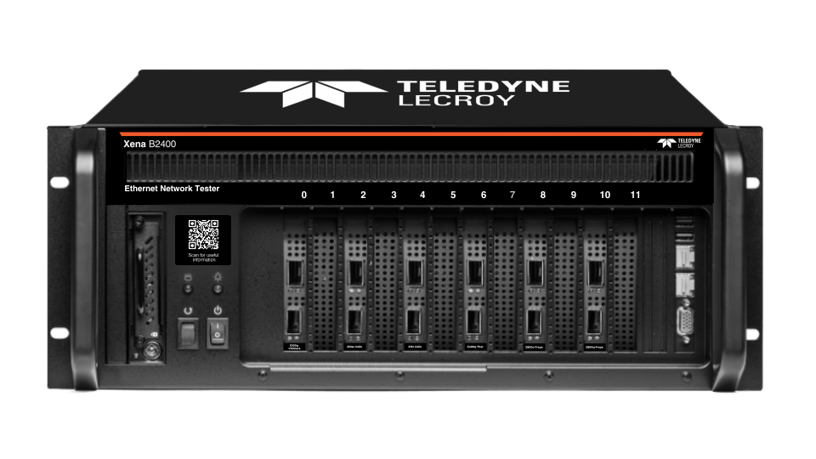
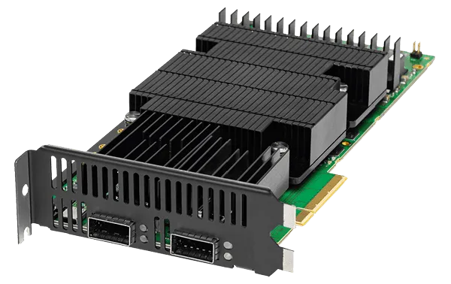
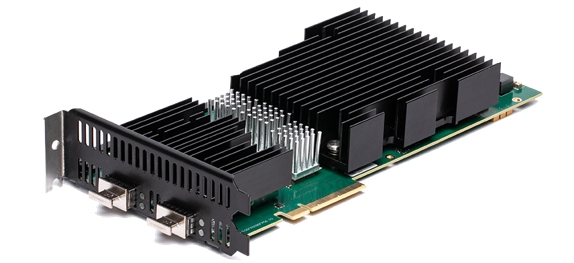
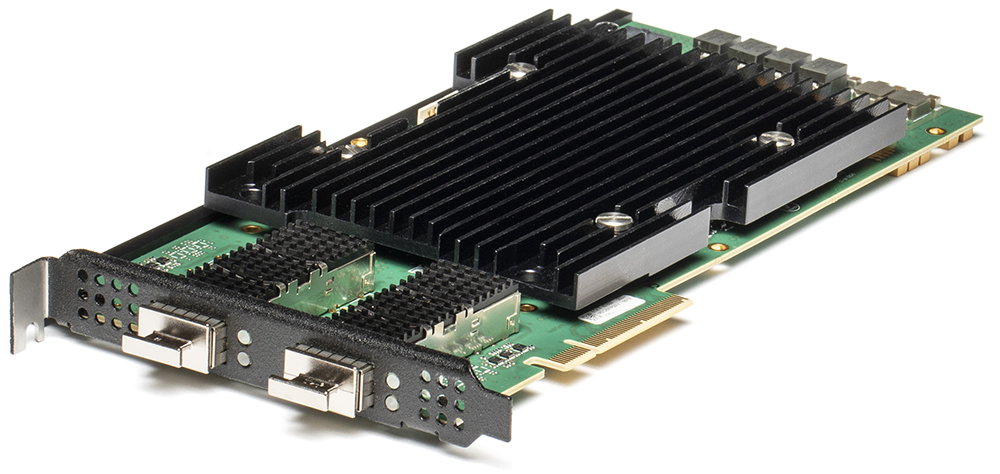
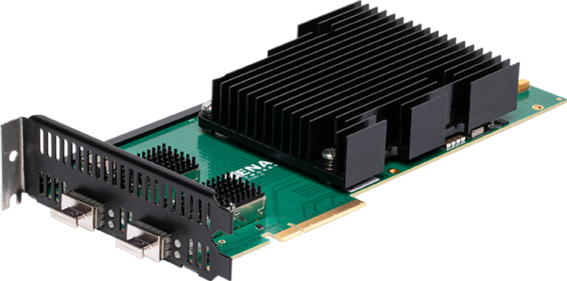
A protocol analyzer is an indispensable tool for network analysis, offering multiple benefits to engineers, developers, and IT professionals.
1. Comprehensive Traffic Analysis
A protocol analyzer captures, decodes, and presents network traffic in an easily readable format. This allows users to examine communication protocols, detect anomalies, and optimise performance across various network environments.
2. Seamless Protocol Compliance
Maintaining compliance with communication standards is critical in modern network infrastructures. A protocol analyzer ensures that devices adhere to standard protocols, minimising interoperability issues and enhancing system reliability.
3. Faster Troubleshooting and Debugging
By pinpointing errors in data transmission, a protocol analyzer speeds up the debugging process, reducing downtime and preventing costly disruptions. Engineers can swiftly diagnose packet loss, jitter, and latency issues for improved network stability.
4. Optimised Network Performance
With real-time data monitoring, users can proactively identify bottlenecks and optimise bandwidth allocation. This leads to enhanced efficiency and seamless data transmission across systems.
5. Security and Threat Detection
Network vulnerabilities can compromise data integrity. A protocol analyzer detects unauthorised access, suspicious packet activity, and security threats, ensuring robust protection for sensitive information.
6. Scalability and Adaptability
Whether for small-scale networks or large enterprise environments, modern protocol analyzers offer scalable solutions that adapt to evolving communication technologies. Their versatility makes them essential for industries such as telecommunications, automotive, and cloud computing.
By leveraging these advantages, businesses can enhance testing accuracy, optimise network performance, and ensure secure and reliable data exchange.
Use Cases of a Protocol Analyzer
A protocol analyzer provides deep visibility into how devices communicate across networks. It helps network teams, developers, and security professionals capture, decode, and analyse traffic to ensure optimal performance, compliance, and security. Below are key use cases where this tool delivers value:
1. Network Performance Monitoring & Optimisation
Protocol analyzers capture live network traffic and highlight performance metrics such as latency, jitter, bandwidth utilisation, and packet loss.
2. Troubleshooting & Root Cause Analysis
Protocol analyzers help quickly identify connectivity issues by detecting packet drops, retransmissions, or malformed headers. They are especially useful for diagnosing problems in real-time services such as voice, video, and wireless traffic, where latency or disruptions can impact performance.
3. Protocol Compliance & Interoperability
In mixed-vendor and embedded environments, protocol analyzers ensure devices communicate according to established standards. They verify adherence to protocol specifications, test interoperability with new or third-party devices, and provide automated alerts when violations occur.
4. Security & Forensics
Protocol analyzers enhance network security by providing deep packet-level visibility. They help detect anomalies, spoofing, or suspicious traffic, and support incident investigations by reconstructing breaches from historical data.
5. Capacity Planning & Network Design
Through long-term traffic analysis, protocol analyzers provide insights for infrastructure planning. They reveal usage trends to forecast demand, guide decisions on scaling or restructuring network capacity, and support the design of QoS policies that prioritise critical applications while reducing congestion.